

What to Expect During the Weeks Leading Up to Staging an Intervention
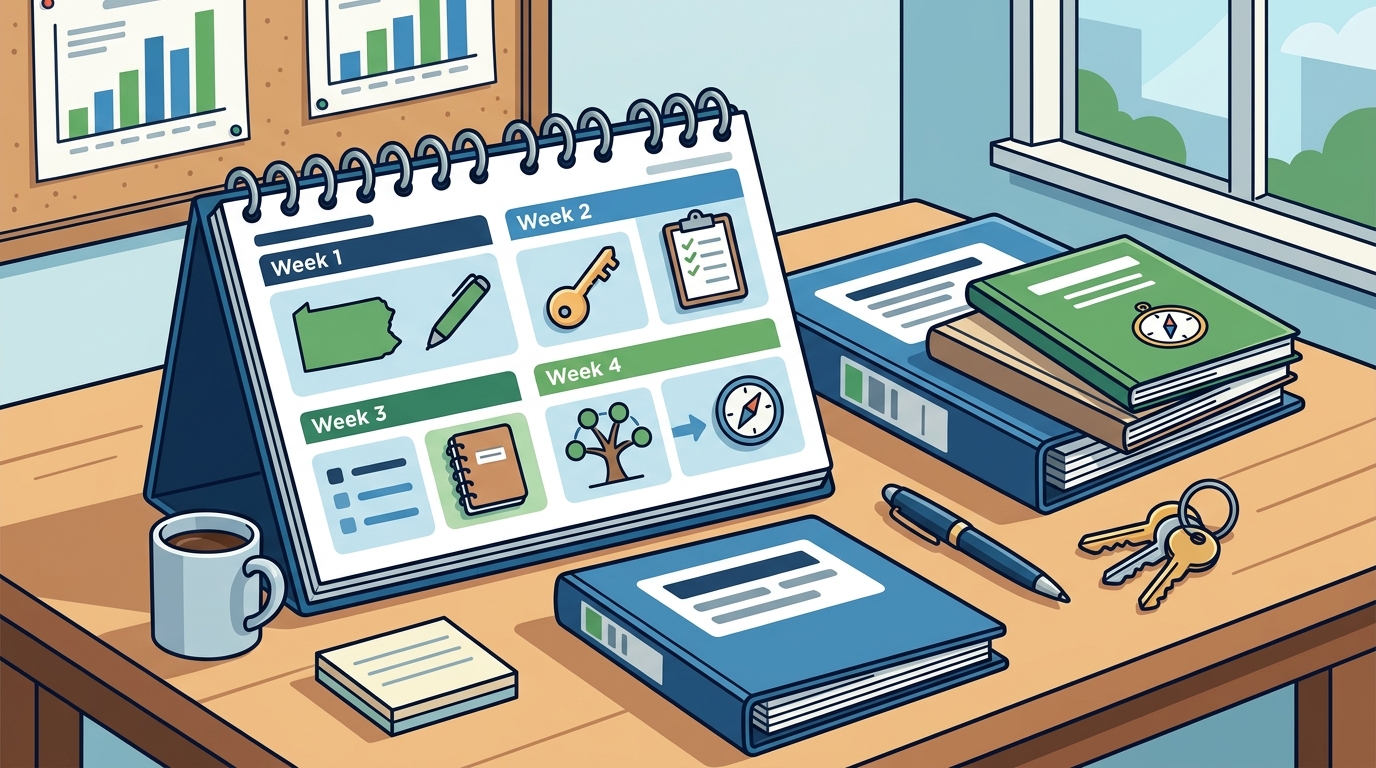
Staging an intervention is a structured, multi-week process that requires careful preparation, family alignment, and professional guidance. Families typically spend several weeks assessing the situation, educating themselves on addiction, and coordinating with a certified interventionist to build a safe and effective plan. This timeline ensures that the intervention is not a spontaneous reaction but a deliberate, compassionate strategy designed to move a loved one from resistance into treatment.
The Initial Assessment and Confidential Consultation
The first step in the intervention timeline is a private, confidential consultation with a professional interventionist. This phase is critical because it allows the interventionist to understand the unique dynamics of the family, the specific substance use patterns, and the history of previous attempts to seek help. Jim Reidy, a Certified Intervention Professional, emphasizes that this initial assessment is where the foundation of the plan is built. During this week, the interventionist will ask detailed questions about the individual's behavior, medical history, and the family's emotional state. The goal is to determine if an intervention is the appropriate next step or if immediate medical attention is required. This phase sets the tone for the entire process, ensuring that all parties are aligned on the objective: moving the individual toward professional treatment.
Family Education and Boundary Setting
Once the assessment is complete, the following weeks are dedicated to family education and the establishment of healthy boundaries. Addiction is a family disease, and every member of the household is affected by the chaos, denial, and emotional toll of substance abuse. A professional interventionist guides the family through an educational process that covers the nature of addiction, the concept of enabling, and the importance of codependency. Families learn how to stop reacting emotionally and start responding strategically. This involves setting clear, non-negotiable boundaries that support recovery rather than addiction. For example, a family might decide that they will no longer provide financial support for the individual's substance use or cover up their behavior at work. These boundaries are not punishments; they are structural changes that create a safe environment for the individual to confront their addiction. The interventionist helps the family practice these new communication styles, ensuring that everyone is prepared to speak with compassion and clarity during the actual intervention.
Treatment Planning and Placement Coordination
While the family is being educated, the interventionist is simultaneously working on the treatment plan. This is a crucial component of the weeks leading up to the intervention. The interventionist will research and identify the most appropriate level of care for the individual, whether that is inpatient detox, residential rehab, or outpatient therapy. They will verify insurance coverage, confirm bed availability, and coordinate with the treatment facility to ensure a smooth admission process. This logistical work is often the most time-consuming part of the planning phase. The interventionist acts as a liaison between the family and the treatment center, ensuring that the facility is equipped to handle the individual's specific clinical and medical needs. By the time the intervention is staged, the treatment plan is fully confirmed and ready. This eliminates the common barrier of