

When a loved one is battling addiction, every day feels urgent. Yet rushing an intervention without proper preparation can undermine the very outcome you are hoping for. The intervention planning process is a structured series of steps that typically spans one to three weeks, depending on the complexity of each family's situation. Understanding this timeline helps families stay focused, reduces anxiety, and dramatically improves the chances of a successful outcome. Below, Intervention 365 breaks down each phase so you know exactly what to expect before, during, and after the conversation that could save a life.
What Is Intervention Planning?
Intervention planning is the structured preparation that families and professionals undertake before confronting a loved one about their substance use. It involves assessment, team selection, rehearsal, and logistics coordination. An intervention is a carefully planned process that family and friends carry out, often guided by a trained professional such as a drug interventionist.
The goal is not to ambush someone. It is to create a supportive, controlled environment where concern can be expressed clearly and a treatment path is already in place. At Intervention 365, every plan is tailored to the unique dynamics of each family.
Typical Timeline: Week by Week
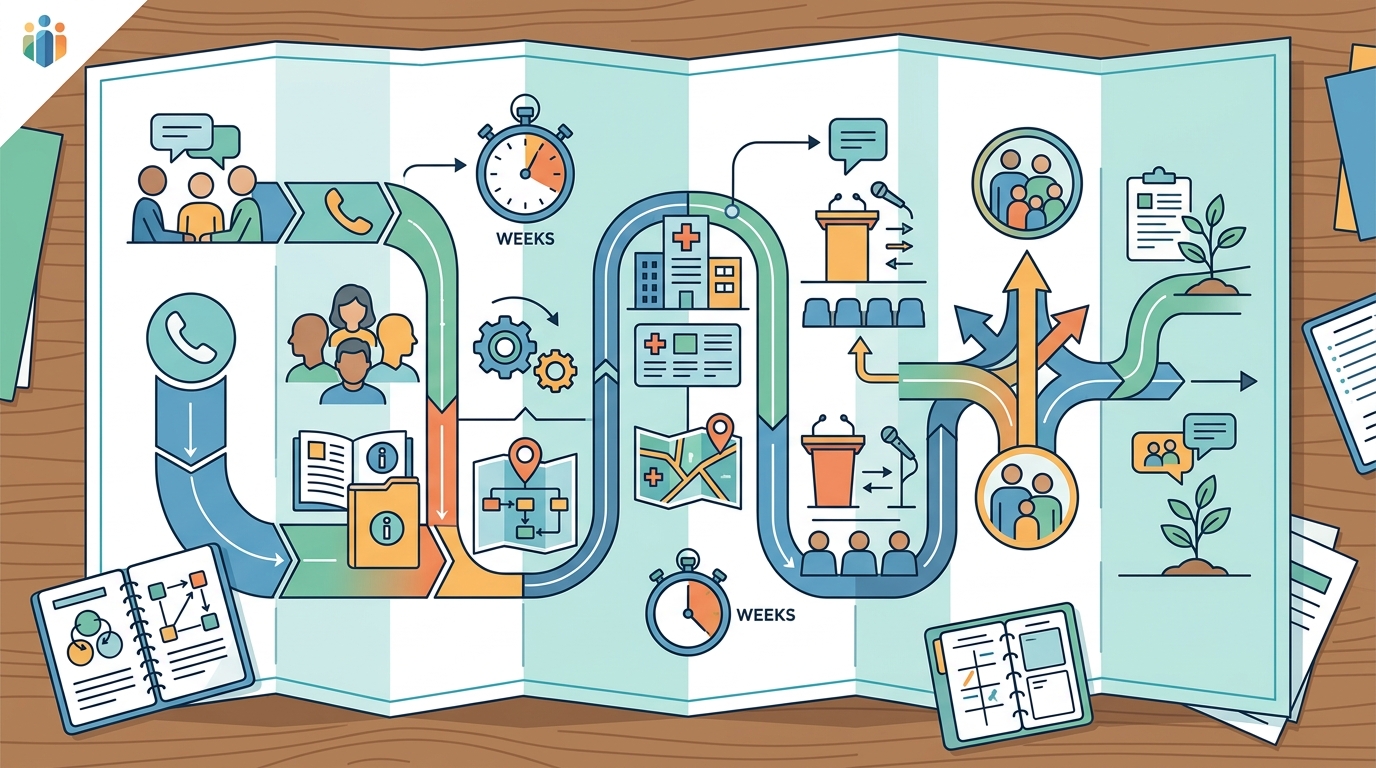
According to the Mayo Clinic, it can take several weeks to plan an effective intervention. Below is a general framework based on professional best practices.
| Phase | Timeframe | Key Activities |
|---|---|---|
| Initial consultation | Day 1 - 2 | Contact an interventionist, describe the situation, assess urgency |
| Assessment and team formation | Days 2 - 5 | Identify participants, evaluate addiction severity, research treatment options |
| Education and letter writing | Days 5 - 10 | Educate the team on addiction, draft impact statements, set boundaries |
| Rehearsal and logistics | Days 10 - 14 | Practice the conversation, confirm treatment bed availability, finalize location |
| Intervention day | Day 14 - 21 | Conduct the intervention (typically 60 to 90 minutes), transition to treatment |
In crisis situations, experienced interventionists like those at Intervention 365 can compress this timeline significantly. The team at Intervention 365 understands the power of immediate intervention when safety is at stake.
Factors That Affect the Planning Duration
Substance Type and Severity
The type of substance involved changes the planning approach. An intervention for fentanyl addiction may require faster action due to overdose risk, while alcohol interventions may allow slightly more preparation time.
Family Dynamics and Geography
Coordinating schedules among multiple family members, especially across different states, can add days to the timeline. Intervention 365 travels nationwide to accommodate families wherever they are.
Treatment Availability
Securing a treatment bed before the intervention is critical. People are encouraged to accept help, and logistics are often prearranged for immediate action. Pre-arranged treatment placement prevents delays if the loved one agrees to enter care.
Key Steps in the Planning Process
1. Hiring a Professional Interventionist
A professional interventionist is a trained specialist who guides families through every stage of the process. Selecting the right one is one of the most important decisions you will make. Learn more about choosing a professional interventionist to understand what qualities matter most.
2. Building the Intervention Team
The planning group forms a team that will participate in the intervention. Typically four to six trusted people works best, including family members, close friends, and sometimes employers. Each person must commit to attending rehearsals and following the agreed plan.
3. Preparing Impact Statements
Each team member writes a personal letter describing how the addiction has affected them. Before the intervention, the group may practice their words to keep the message clear, constant, and supportive. These letters are not about blame; they are about love and consequences.
The Role of a Professional Interventionist
A substance abuse interventionist is a credentialed professional who specializes in motivating individuals to accept treatment. At Intervention 365, the substance abuse interventionist team conducts thorough assessments to understand each individual's unique needs, history, and challenges.
The interventionist handles emotional dynamics and any resistance during the meeting. They also coordinate with treatment facilities, arrange travel if needed, and provide follow-up support after the intervention day. Research shows that around 80 percent of individuals with substance use disorders seek treatment within 24 hours after a professionally guided intervention, according to Recovery Centers of America.
Why Rushing the Process Is Risky
Families often feel desperate to act immediately, and that urgency is completely understandable. However, skipping critical preparation steps can backfire. An unprepared team member might react emotionally and derail the conversation. A missing treatment placement could mean a willing person has nowhere to go.
The Hazelden Betty Ford Foundation recommends limiting the actual intervention to 60 to 90 minutes, noting that at longer sessions anger may flare up. Preparation is what makes that window effective. To understand why families sometimes wait too long to intervene, it helps to recognize that both delay and haste carry risks.
Key Takeaways
- Intervention planning typically takes one to three weeks from initial consultation to intervention day.
- Crisis situations may allow for a compressed timeline with an experienced interventionist.
- A professional interventionist manages assessment, team education, rehearsal, and treatment logistics.
- Each team member prepares a written impact statement to keep the conversation focused and supportive.
- Treatment placement should be confirmed before the intervention takes place.
- The actual intervention meeting is best kept to 60 to 90 minutes.
- Around 80 percent of individuals agree to seek treatment within 24 hours of a professional intervention.
Frequently Asked Questions
How long does it take to plan an intervention?
Most professionally guided interventions require one to three weeks of planning. The timeline depends on family coordination, substance severity, and treatment bed availability.
Can an intervention be planned in one day?
In emergency situations, an experienced interventionist can accelerate the process, but thorough preparation always produces better results. Contact Intervention 365 for emergency intervention support.
What happens during the planning phase?
The planning phase includes hiring an interventionist, forming a team, educating participants about addiction, writing impact letters, rehearsing the conversation, and arranging treatment logistics.
Do I need a professional interventionist?
While families can attempt an intervention on their own, a professional dramatically improves the chances of success. A skilled interventionist guides the process, handling emotional dynamics and any resistance.
How long does the actual intervention meeting last?
The meeting itself typically lasts 60 to 90 minutes. Keeping it focused prevents emotional escalation and maintains a supportive tone.
What if my loved one refuses treatment during the intervention?
Refusal does not mean failure. The process plants a seed for recovery, and family members gain tools to set healthy boundaries. Follow-up support remains essential regardless of the immediate outcome.
Does Intervention 365 travel outside Pennsylvania?
Yes. Intervention 365 is based in Pennsylvania but travels nationwide to help families across the country plan and conduct professional interventions.
Take the First Step Today
If someone you love is struggling with addiction, waiting is the most dangerous option. The team at Intervention 365 is available around the clock to begin the planning process and guide your family toward healing. Contact Intervention 365 now to schedule a confidential consultation and start building a plan that could save a life.